Who Should Not Take Soy Protein
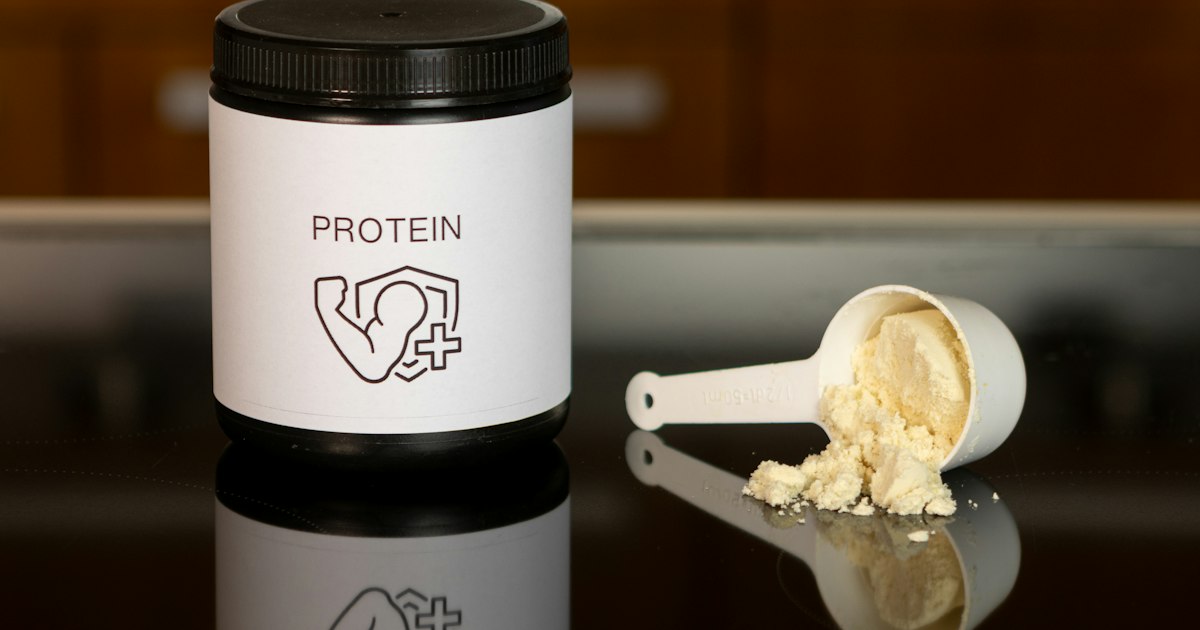
For most healthy adults, soy protein is a safe food product. But there are groups of people who must not consume it at all, and those who need caution or coordination with a doctor. The editorial team has distinguished absolute contraindications, relative restrictions and situations that are often mistakenly considered a prohibition.
Absolute contraindication: soy allergy
Soy is on the list of major food allergens: in the EU its presence must be highlighted in the product composition under Regulation (EU) No. 1169/2011. Soy allergy more often arises in childhood, and a significant part of children 'outgrow' it with time, but in adults it also occurs, particularly in people allergic to birch pollen through cross-reactions.
Soy isolate consists almost entirely of proteins, and it is precisely proteins that are the allergens. Therefore purification does not make the product safe for an allergic person — on the contrary, the concentration of allergenic proteins in the powder is high. For people with a confirmed soy allergy, any soy protein is contraindicated.
Symptoms can vary from itching in the mouth, hives and swelling of the lips to vomiting, abdominal pain and, more rarely, anaphylaxis. The review by Sicherer and Sampson (2018) emphasizes that anaphylactic reactions to soy are rarer than to peanuts or nuts but are possible, and their risk is higher in people with asthma.
If after the first consumption of soy protein a rash, itching, swelling or difficulty breathing appeared, intake should be stopped immediately, and with respiratory symptoms — call an ambulance. Diagnosis of allergy is performed by an allergist; self-'checks' by repeated intake are dangerous.
It is also worth remembering hidden soy: soy lecithin, soy flour and protein are part of many bars, gainers and even whey proteins. Highly purified soybean oil and lecithin contain very little protein and most allergic people tolerate them, but the decision about this should be made by a doctor.
The thyroid gland and taking levothyroxine
Hypothyroidism in itself is not a contraindication to soy protein. The review by Messina and Redmond (2006) concluded that in people with a healthy thyroid gland and sufficient iodine intake, soy does not disrupt its function. However, there are two nuances worth taking into account.
The first is the interaction with levothyroxine. Soy products can reduce the absorption of the synthetic hormone in the intestine. Clinical cases are described where patients, after starting to consume soy protein, had to increase the dose of the medication (Bell, Ovalle, 2001). The guidelines of the American Thyroid Association also mention soy among products that can affect the absorption of levothyroxine.
Practical conclusion: people taking levothyroxine do not necessarily have to give up soy, but they need to space out the intake of the medication and soy protein by a few hours, maintain a stable eating regimen and inform the endocrinologist about changes in the diet so that they can monitor the TSH level.
The second nuance is iodine deficiency. Under conditions of insufficient iodine intake, soy isoflavones can theoretically increase the risk of thyroid gland dysfunction. In Ukraine some regions are traditionally iodine-deficient, so the use of iodized salt and a balanced diet are especially important for people who get a lot of protein from soy.
Kidneys, gout and kidney stone disease
Chronic kidney disease is a condition in which any protein supplements, regardless of the source, should be coordinated with a nephrologist. The KDOQI guidelines (2020) for patients with CKD without dialysis provide for control and often a restriction of the amount of protein in the diet. An additional 30–50 g of protein from powder can significantly exceed the prescribed norm.
Interestingly, the literature discusses possible advantages of plant proteins for people with kidney diseases compared with animal ones. However, this is a question of a therapeutic diet, not the independent consumption of sports supplements, so the decision about the type and amount of protein is made only by a doctor.
Soy contains purines in a moderate amount. For people with gout, plant sources of purines are generally considered less problematic than meat, offal and seafood, but with frequent flare-ups any significant changes in the diet should be discussed with a rheumatologist.
Soy products also contain oxalates, although their content in a highly purified isolate is, as a rule, lower than in whole beans or flour. People who have previously formed oxalate stones in the kidneys should check with a doctor whether they need to limit soy products in their case.
| Situation | Level of restriction | What to do |
|---|---|---|
| Soy allergy | Absolute contraindication | Do not consume, choose other proteins |
| Taking levothyroxine | Caution needed | Space out in time, monitor TSH |
| Chronic kidney disease | Only with approval | The protein norm is determined by a nephrologist |
| History of oxalate stones | Individually | Consult a urologist |
| History of breast cancer | Individually | Discuss with an oncologist, avoid isoflavone concentrates |
| Pregnancy and breastfeeding | Caution regarding supplements | Soy food — yes, isoflavone supplements — no |
Hormone-dependent conditions, pregnancy and children
The most questions arise in women with a history of breast cancer. Soy isoflavones have a weak estrogen-like action, and this long caused concern. However, large observational studies, particularly the Shanghai Breast Cancer Survival Study (Shu et al., 2009), found no worse prognosis in women who consumed soy food; on the contrary, an association with a lower risk of recurrence was observed.
At the same time, these data concern ordinary soy food, not concentrated isoflavone supplements. Therefore the editorial team considers the following approach reasonable: people with a history of cancer should make the decision about regular consumption of soy protein together with an oncologist, and isoflavone concentrates should not be taken without their permission.
During pregnancy and breastfeeding, soy food is part of ordinary nutrition in many countries. However, sports supplements and products with added isoflavones are insufficiently studied. EFSA, in its risk assessment of isolated isoflavones, considered only women in peri- and postmenopause, so for pregnant women there are no safety data. Protein supplements during this period should be coordinated with a doctor.
Children and adolescents, as a rule, do not need protein powders: with normal nutrition, food covers the protein requirement. Specialized children's soy-based formulas are a separate medical category prescribed by a pediatrician, and they cannot be replaced with sports protein.
- People with rare hereditary disorders of amino acid metabolism (for example, phenylketonuria) must strictly control protein intake — any protein supplement is possible for them only on a doctor's prescription.
- People with diseases requiring control of potassium or phosphorus must take into account the mineral composition of the powder.
- Patients taking several medications must inform their doctor about the regular consumption of supplements.
What is not a contraindication
Being male and wanting to preserve testosterone levels is not a reason to give up soy protein. Meta-analyses of clinical studies (Hamilton-Reeves et al., 2010; Reed et al., 2021) found no effect of soy or isoflavones on testosterone, free testosterone and estrogens in men.
Lactose intolerance and an allergy to cow's milk proteins, on the contrary, are frequent reasons to choose soy protein instead of whey. It is only important to remember that some children with a milk allergy also react to soy, so in childhood such a choice should be made by an allergist.
A sensitive stomach is also not a contraindication. Bloating and gas formation more often arise from oligosaccharides in concentrates and flour, whereas the isolate is usually tolerated better. Starting with a small serving and gradually increasing it is a simple way to check the individual reaction.
Finally, 'GMO soy' is a question of the origin of the raw material and personal choice, not a medical contraindication. In the EU, products from genetically modified raw material are subject to mandatory labelling, so everyone can choose a product in accordance with their own beliefs.
Editorial conclusions
The only absolute contraindication to soy protein is soy allergy. In that case no form of the product — neither isolate nor hydrolysate — is safe.
For people who take levothyroxine, have chronic kidney disease, a history of cancer or are expecting a child, soy protein is not necessarily forbidden, but its consumption should be coordinated with a doctor and possible interactions taken into account.
Common fears about soy's effect on male hormones are not confirmed by clinical data, and for people with lactose intolerance soy isolate is often a convenient alternative to whey.
To form a complete picture, we recommend reading our articles 'Side Effects of Soy Protein', 'Myths About Soy Protein' and 'Soy Protein: Forms Available and Which to Choose'.
References
- Sicherer SH, Sampson HA. Food allergy: a review and update on epidemiology, pathogenesis, diagnosis, prevention, and management. J Allergy Clin Immunol. 2018;141(1):41–58.
- Messina M, Redmond G. Effects of soy protein and soybean isoflavones on thyroid function in healthy adults and hypothyroid patients: a review of the relevant literature. Thyroid. 2006;16(3):249–258.
- Jonklaas J, Bianco AC, Bauer AJ, et al. Guidelines for the treatment of hypothyroidism: prepared by the American Thyroid Association task force on thyroid hormone replacement. Thyroid. 2014;24(12):1670–1751.
- Ikizler TA, Burrowes JD, Byham-Gray LD, et al. KDOQI clinical practice guideline for nutrition in CKD: 2020 update. Am J Kidney Dis. 2020;76(3 Suppl 1):S1–S107.
- Shu XO, Zheng Y, Cai H, et al. Soy food intake and breast cancer survival. JAMA. 2009;302(22):2437–2443.
- EFSA Panel on Food Additives and Nutrient Sources added to Food (ANS). Risk assessment for peri- and post-menopausal women taking food supplements containing isolated isoflavones. EFSA Journal. 2015;13(10):4246.
- Reed KE, Camargo J, Hamilton-Reeves J, Kurzer M, Messina M. Neither soy nor isoflavone intake affects male reproductive hormones: an expanded and updated meta-analysis of clinical studies. Reprod Toxicol. 2021;100:60–67.
- Regulation (EU) No 1169/2011 of the European Parliament and of the Council on the provision of food information to consumers. Official Journal of the European Union. 2011;L304:18–63.
Andriy Melnyk
A strength-sports coach and author of programs for beginner and intermediate levels. Writes about training planning.