What to Combine Pea Protein With
Pea protein is rarely used 'on its own': it is mixed with rice, fruit, oatmeal, creatine. Some combinations really do increase the nutritional value of the protein, others only improve the taste, and some can cause discomfort. Our editorial team has broken down what to combine with what and why.
Why combine pea protein
Any protein is assessed by two parameters: how well it is absorbed and whether it contains enough of each essential amino acid. Pea isolate is well absorbed, but its amino acid profile is 'skewed': plenty of lysine and arginine, but relatively little methionine and cysteine — the sulphur-containing amino acids.
It is precisely this feature that makes the question of combinations practical rather than theoretical. If in a particular meal one amino acid is deficient, it limits the use of the rest for protein synthesis. By combining sources with different 'weak spots', you can obtain a mixture whose profile is closer to the reference one.
At the same time, there is no need to dramatize. Modern reviews (van Vliet et al., 2015; Pinckaers et al., 2021) emphasize: with a varied diet and a sufficient total amount of protein, the body receives all amino acids throughout the day, and it is not necessary to combine sources in one glass. Combinations become more important when pea protein is the main source of protein, for example in a vegan diet.
In this material, the editorial team examines combining pea protein with other proteins, with carbohydrate foods, with sports supplements, as well as what is worth limiting or spacing out in time.
Combining with other proteins
The classic pairing for pea protein is rice protein. Rice is poor in lysine, but relatively rich in methionine. Pea has the opposite profile. That is why 'pea + rice' mixtures have become the standard in plant-based sports nutrition: they compensate for each other's shortcomings.
The work of Gorissen and colleagues (2018) showed that no single plant isolate reproduces the amino acid profile of skeletal muscle as well as a mixture of several plant proteins. The authors directly propose combining as a way to increase the anabolic value of plant proteins.
Other good partners can be soy isolate (it has a high PDCAAS score and complements pea in sulphur-containing amino acids), hemp protein (adds fibre and fats but is less concentrated) and pumpkin seed protein. For non-vegans, whey or casein remains a logical combination.
The ratios in mixtures vary. On the market, variants where pea makes up the larger share and rice the smaller are popular, but there is no single 'correct' proportion confirmed by studies. You should be guided by the total protein and leucine content in the serving.
| Partner | What it adds to pea | Note |
|---|---|---|
| Rice protein | Methionine, cysteine | Classic complementary pairing |
| Soy protein | A high quality score, sulphur-containing amino acids | Not suitable if allergic to soy |
| Hemp protein | Fibre, omega-3 (ALA) | Less protein per serving |
| Whey or casein | Leucine, a complete profile | Only for those who consume dairy |
| Rolled oats | Carbohydrates, partly methionine | Convenient in a shake or porridge |
Carbohydrates, foods and micronutrients
After resistance training, protein is often combined with carbohydrates. The ISSN position on nutrient timing (Kerksick et al., 2017) notes that carbohydrates are important primarily for glycogen replenishment, especially when there is little time between workouts, while for muscle protein synthesis a sufficient dose of the protein itself is decisive.
Practical options are a banana, berries, oatmeal, rice cakes or an ordinary meal within a few hours after the session. Pea protein has a moderately earthy taste, so fruit and cocoa also improve the palatability of the shake.
For those watching their weight, it is sensible to combine pea protein with vegetables and fibre sources as part of an ordinary meal: for example, adding the powder to a cream soup or pancake batter. This way the protein becomes part of the dish rather than a separate drink.
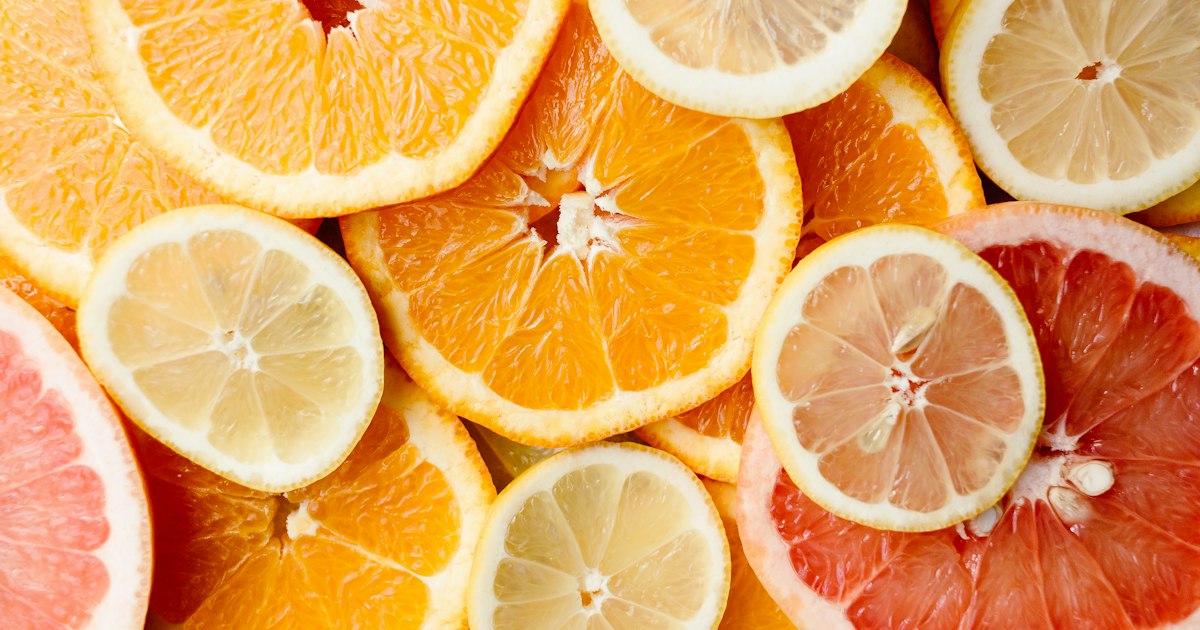
Pea isolate contains a noticeable amount of non-heme iron. Its absorption improves if the same meal contains vitamin C — citrus, kiwi, berries, bell pepper. Tea and coffee, on the other hand, are better drunk separately, because polyphenols can reduce the absorption of non-heme iron.
Compatibility with sports supplements
Creatine monohydrate can be mixed with pea protein in one shake: there are no known undesirable interactions between them, and for vegans creatine is especially of interest, because it is almost absent from plant food. Caffeine before a workout is also compatible with a protein snack.
Beta-alanine, citrulline and electrolytes also do not conflict with pea. It is only worth remembering that some pea isolates contain a noticeable amount of sodium, and with concurrent intake of electrolyte drinks the total salt intake may turn out to be higher than it seems.
For vegetarians and vegans, combining protein with vitamin B12, vitamin D and omega-3 (from algae) is not directly related to protein synthesis, but it closes the typical deficiencies of a plant diet that affect recovery and general well-being.
If protein is taken together with medications, for example iron preparations, calcium, levothyroxine or certain antibiotics, the timing of intake should be coordinated with a doctor or pharmacist: large portions of food and minerals can alter the absorption of individual drugs.
What to avoid and practical examples
There are combinations that are not harmful but can spoil the impression of the product or cause discomfort. Most often problems arise not because of the pea itself but because of the 'add-ons' in the shake.
- A large volume of fibre at once (bran, inulin, chia seeds) — a risk of bloating, especially before a workout.
- Polyol sweeteners in large quantities — can have a laxative effect.
- A dense fatty shake immediately before exertion — slows gastric emptying.
- Alcohol after training — according to studies, reduces muscle protein synthesis even with sufficient protein.
An example of a simple post-workout combination: a serving of pea-rice mixture, a banana, a handful of rolled oats and plant milk. Before bed — pea protein as part of porridge or a pudding with seeds, so that the protein is absorbed more slowly.
Before competitions or a hard workout, when the stomach is sensitive, it is better to choose a pure isolate without fibre additives and to test new combinations on ordinary training days rather than on the day of the start. Endurance athletes can gradually 'train the gut' to tolerate food during exertion (Jeukendrup, 2017).
Overall, pea protein is a flexible ingredient, and successful combinations depend more on your diet, goals and tolerance than on universal schemes.
Editorial conclusions
The main 'weakness' of pea protein is its relatively low methionine content, so the most logical partner for it is rice protein, soy or dairy proteins.
Combining with carbohydrates after training is useful primarily for glycogen recovery, and vitamin C in the same meal helps absorb non-heme iron.
Creatine, caffeine, beta-alanine and electrolytes are compatible with pea protein; the question of taking it together with medications should be discussed with a doctor.
We also recommend reading our articles 'Myths About Pea Protein', 'Pea Protein: What It Is and How It Works' and 'Soy Protein: Forms Available and Which to Choose'.
References
- Gorissen SHM, Crombag JJR, Senden JMG, et al. Protein content and amino acid composition of commercially available plant-based protein isolates. Amino Acids. 2018;50(12):1685–1695.
- van Vliet S, Burd NA, van Loon LJC. The skeletal muscle anabolic response to plant- versus animal-based protein consumption. J Nutr. 2015;145(9):1981–1991.
- Pinckaers PJM, Trommelen J, Snijders T, van Loon LJC. The anabolic response to plant-based protein ingestion. Sports Med. 2021;51(Suppl 1):59–74.
- Kerksick CM, Arent S, Schoenfeld BJ, et al. International Society of Sports Nutrition position stand: nutrient timing. J Int Soc Sports Nutr. 2017;14:33.
- Jäger R, Kerksick CM, Campbell BI, et al. International Society of Sports Nutrition position stand: protein and exercise. J Int Soc Sports Nutr. 2017;14:20.
- Babault N, Païzis C, Deley G, et al. Pea proteins oral supplementation promotes muscle thickness gains during resistance training: a double-blind, randomized, placebo-controlled clinical trial vs. whey protein. J Int Soc Sports Nutr. 2015;12(1):3.
- Jeukendrup AE. Training the gut for athletes. Sports Med. 2017;47(Suppl 1):101–110.
Andriy Melnyk
A strength-sports coach and author of programs for beginner and intermediate levels. Writes about training planning.