Soy Protein: Forms Available and Which to Choose
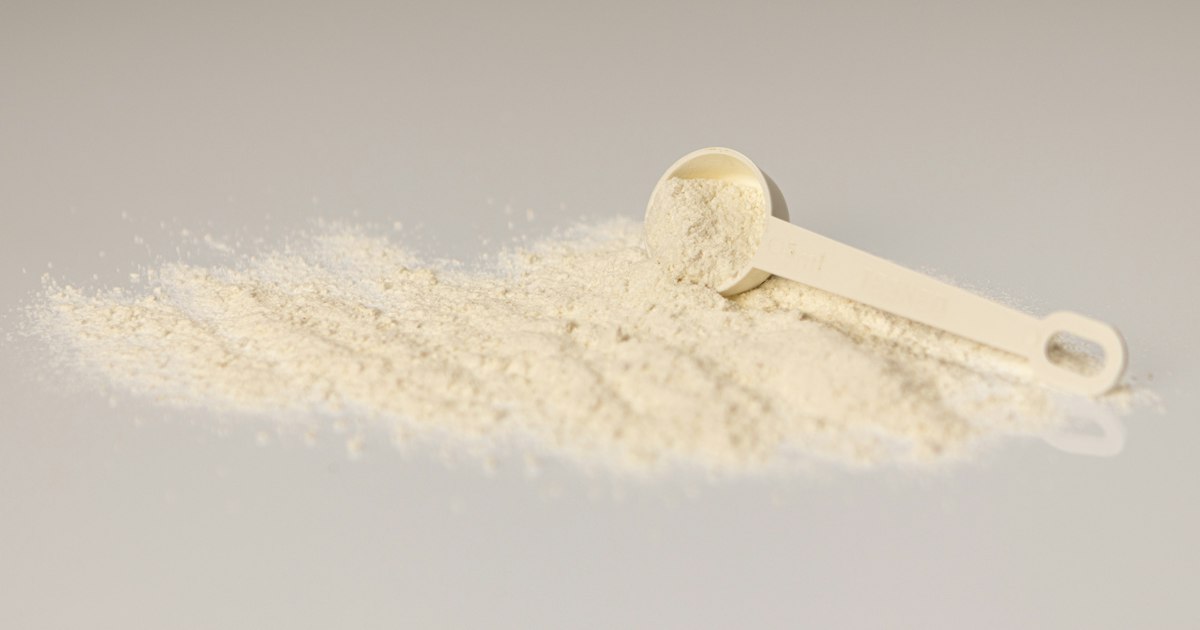
On the shelves of sports nutrition stores, soy protein comes in several forms: isolate, concentrate, hydrolysate, textured pieces, multi-component blends and bars. The difference between them lies in the degree of purification, protein content, taste, solubility and price. The editorial team explains how each form is made and how to choose the one that matches your goal.
From soybeans to powder
All forms of soy protein begin with a single raw material — defatted soybean meal. The beans are cleaned of the hull, crushed into flakes and the oil is extracted from them. The residue, in which about half the mass is protein, becomes the basis for further processing. If it is simply ground, you get soy flour — the simplest and cheapest protein ingredient.
To raise the protein content, soluble carbohydrates — sucrose, raffinose, stachyose — and part of the minerals are removed from the meal. How deeply the purification is carried out determines whether a concentrate or an isolate is obtained. The higher the degree of purification, the more protein per 100 g of product and the fewer compounds that cause gas formation.
The technology also affects the isoflavone content. With alcohol washing of the concentrate, a significant part of the isoflavones is washed out, while with water processing they mostly remain. Therefore two products with the same name can differ significantly in the amount of these substances, and manufacturers do not always indicate it on the label.
Regardless of the form, the amino acid profile of soy protein remains similar: it is a complete protein with all the essential amino acids, with a relatively low methionine content and a smaller share of leucine than whey. On the PDCAAS scale, soy isolate receives a score close to the maximum, which confirms its high nutritional quality (Schaafsma, 2000).
Isolate and concentrate: the main difference
Soy isolate is the most purified form. By generally accepted technological definitions, it contains no less than 90% protein on a dry-matter basis. It has a minimum of carbohydrates and fats, a more neutral taste, and better gut tolerance thanks to the removal of oligosaccharides. It was precisely the isolate that was used in most studies where soy protein was compared with whey.
Soy concentrate contains about 65–70% protein on a dry-matter basis. It retains more dietary fibre and carbohydrates, so it is cheaper but has a more pronounced 'bean' aftertaste and a thicker texture. In the food industry, concentrate is widely used in meat products and baked goods, and in sports nutrition it occurs mainly in budget blends.
For a person who counts macronutrients, the difference is noticeable: a serving of concentrate that gives 25 g of protein will contain noticeably more carbohydrates and calories than an equivalent serving of isolate. During cutting or on a low-carbohydrate diet the isolate is more convenient. At the stage of mass gain or on a limited budget, concentrate or a blend can be entirely acceptable.
As for effectiveness for muscles, there are practically no direct comparisons of isolate and concentrate in training studies. It is logical to assume that with the same amount of protein per serving the difference will be minimal, since the amino acid composition is similar. The decisive factors become tolerance, taste and the cost of a gram of protein.
Hydrolysate, textured protein and blends
Soy hydrolysate is obtained by partial enzymatic breakdown of the protein into peptides. Such a form digests faster and dissolves better, so it is used in specialized and medical blends, particularly in infant nutrition. At the same time, hydrolysates have a slightly bitter taste and cost more, and the advantages for healthy athletes compared with the isolate are not proven.
Textured soy protein (TSP, 'soy meat') is concentrate or flour passed through an extruder. The output is fibrous pieces, mince or goulash which, after soaking, resemble meat. This is not a powder for shakes but a full-fledged product for cooking dishes, and for vegans it is often one of the cheapest sources of protein.
Multi-component blends combine soy protein with whey, casein or other plant proteins — pea, rice. The study by Reidy and colleagues (2013) showed that a blend of whey, casein and soy after strength training maintained muscle protein synthesis no worse than pure whey, while the elevated concentration of amino acids in the blood lasted longer.
A separate category is bars, cookies, chips and ready-made drinks based on soy protein. They are convenient as a snack, but they often contain a lot of sugar, fat or sugar alcohols, and less protein than the package promises. Such products should be regarded as food rather than as the main protein supplement.
| Form | Strengths | Limitations | Who it suits |
|---|---|---|---|
| Isolate | Maximum protein, minimum carbohydrates, better tolerance | Higher price, sometimes worse solubility | Cutting, calorie control, sensitive digestion |
| Concentrate | Lower price, more fibre | Aftertaste, more carbohydrates, possible bloating | Mass gain, cooking |
| Hydrolysate | Fast absorption, solubility | Bitterness, price, little evidence-based advantage | Special blends on a specialist's recommendation |
| Textured protein | Cheap protein for dishes | Requires cooking | Vegans, vegetarians, an economical diet |
| Blends | Balanced profile, longer aminoacidemia | Not suitable for vegans if there are dairy proteins | Universal use |
How to read the label
The first thing worth paying attention to is the composition. If 'soy protein isolate' is listed as the first ingredient, this is a good sign. But if flour, concentrate or maltodextrin is in first place, the product will be less 'protein-rich'. The order of ingredients in the composition is regulated in the EU and reflects their share by mass.
The second is the protein content per serving and per 100 g. Compare precisely the 'price of a gram of protein', not the price of the tub: a 900 g product with 90% protein may turn out to be more advantageous than a 1 kg tub with 65%. Divide the price by the number of grams of protein in the package — and the choice will become obvious.
- Allergens:soy is one of the 14 allergens mandatory for labelling in the EU; also pay attention to warnings about possible traces of milk, gluten, nuts.
- Additives:sweeteners, thickeners and flavourings affect taste and tolerance, especially sugar alcohols.
- Fortification:some manufacturers add leucine or amino acids; this is acceptable if clearly stated in the composition.
- Certification:independent testing for banned substances (programs such as Informed Sport) is important for athletes who undergo doping control.
The third is the 'non-GMO' and 'organic' labels. They concern the origin of the raw material and do not indicate higher protein effectiveness. For many buyers this is a matter of personal choice, and in the EU products with GM raw material are subject to mandatory labelling.
Finally, assess the manufacturer's reputation. There are cases of 'amino spiking', when the protein content is artificially overstated at the expense of cheap amino acids such as glycine. Transparent amino acid profiles and laboratory certificates from the manufacturer reduce this risk.
Which form to choose for your goal
For most people who train and want to get a convenient source of protein, the optimal choice is soy isolate. It gives the most protein per serving, the fewest 'extra' calories and, as a rule, is best tolerated. It is precisely on it that the evidence base for muscle mass growth is built.
If the main thing is budget and your stomach reacts well to legumes, you can choose a concentrate or a quality blend. For vegans it is worth paying attention to blends of soy with pea or rice: they combine different amino acid profiles, and their taste is often milder.
For cooking — porridges, baked goods, sauces — both isolate and concentrate are suitable; in the latter case the noticeable aftertaste can even be an advantage in savoury dishes. Textured protein is a separate tool for replacing meat in the diet.
People with a food allergy, chronic diseases or those taking thyroid hormones should consult a doctor before choosing any form of soy protein. The form of the product does not change the fact that soy proteins are an allergen.
Editorial conclusions
The forms of soy protein differ primarily in the degree of purification: from flour with about half protein to isolate with 90% and more. Along with the protein content, the taste, tolerance, carbohydrate and isoflavone content change.
For sports purposes, the base choice is an isolate or a well-thought-out blend, while concentrate and textured protein are economical options for mass gain and cooking. Hydrolysate makes sense mainly in specialized products.
Compare products by the cost of a gram of protein, read the composition and pay attention to independent testing — this is more important than marketing promises on the package.
Next we recommend reading our articles 'How to Take Soy Protein: Dosage, Timing, Duration', 'Myths About Soy Protein' and 'Side Effects of Soy Protein'.
References
- Schaafsma G. The protein digestibility-corrected amino acid score. J Nutr. 2000;130(7):1865S–1867S.
- FAO. Dietary protein quality evaluation in human nutrition: report of an FAO Expert Consultation. FAO Food and Nutrition Paper 92. Rome: FAO; 2013.
- Gorissen SHM, Crombag JJR, Senden JMG, et al. Protein content and amino acid composition of commercially available plant-based protein isolates. Amino Acids. 2018;50(12):1685–1695.
- Reidy PT, Walker DK, Dickinson JM, et al. Protein blend ingestion following resistance exercise promotes human muscle protein synthesis. J Nutr. 2013;143(4):410–416.
- Tang JE, Moore DR, Kujbida GW, Tarnopolsky MA, Phillips SM. Ingestion of whey hydrolysate, casein, or soy protein isolate: effects on mixed muscle protein synthesis at rest and following resistance exercise in young men. J Appl Physiol. 2009;107(3):987–992.
- Messina M, Lynch H, Dickinson JM, Reed KE. No difference between the effects of supplementing with soy protein versus animal protein on gains in muscle mass and strength in response to resistance exercise. Int J Sport Nutr Exerc Metab. 2018;28(6):674–685.
- Regulation (EU) No 1169/2011 of the European Parliament and of the Council on the provision of food information to consumers. Official Journal of the European Union. 2011;L304:18–63.
Andriy Melnyk
A strength-sports coach and author of programs for beginner and intermediate levels. Writes about training planning.